


Interpersonal skills develop long before a person enters the workplace, and often through experiences that seem unrelated to professional roles. This client came to coaching not to prepare for a specific interview, but to strengthen how they communicated about themselves. They already had a postgraduate role lined up, yet they recognized that talking about their story felt challenging. They wanted a low-stakes space to practice sharing who they are and how their experiences shaped them.
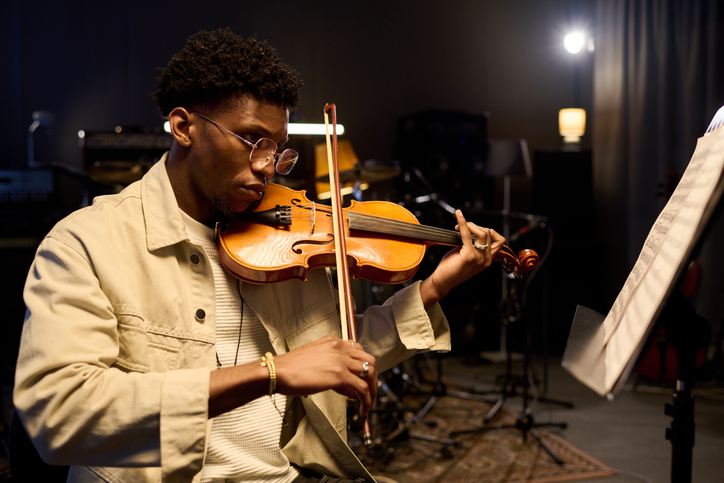
During our work, one part of their background stood out to me. They were an accomplished violinist with years of disciplined training. They never came to coaching asking to highlight this experience. They came to learn how to talk about their life more clearly. Their musicianship simply revealed qualities that were already part of their foundation. Patience, repetition, resilience, and long term commitment shaped how they approached challenges. These traits were not stated on their resume, yet they influenced every part of how they communicated.
Their obstacle was learning how to connect meaningful parts of their life to their professional identity without feeling as though they were stretching for relevance. They needed a path to talk about their experiences with clarity and confidence while honoring the value each one carried.
How They Showed Up for Their Growth
1. Practicing in a Low Stakes Environment
This client used coaching as a place to explore. They practiced answers, tested new phrasing, and worked through stories that felt important to them. Without the pressure of an upcoming interview, they had room to pause, reflect, and adjust. They became more comfortable speaking about their experiences because they allowed themselves to slow down and examine what they wanted to say.
2. Strengthening Communication Through Storytelling
The hardest part of interviewing for many people is simply talking about themselves. This client discovered that storytelling became easier when they connected the meaning behind their experiences to the strengths those experiences revealed. They learned how to describe who they were beyond job titles. Their stories began to reflect the qualities they brought to their work, such as steadiness, focus, and the willingness to learn.
3. Understanding the Value of Unique Experiences
We also talked about how experiences that seem unrelated at first glance often demonstrate interpersonal skills that employers value. The violin was one example of this. Years of training represented discipline and consistency. These skills translate into any work setting, even if the task itself has nothing to do with music.
To reinforce this concept, I shared an example from another student who described leading a multi-day college trek. They had to ration water, guide a team through difficult terrain, and set up shelter each night before dark. None of this matched the job they were pursuing, yet the story showcased leadership, teamwork, and problem solving. Experiences like these help interviewers see a fuller picture of who someone is.
This client learned that they did not need to use every story they had, nor did they need to center their musical background. Instead, they could choose one or two meaningful examples to highlight qualities that cannot be measured on a resume. These moments offered interviewers insight into their character and their approach to learning.
A New Way of Seeing Their Experience
One of the most important shifts for this client came from recognizing that their life experiences held real professional value. Their musicianship was not something to hide or mention casually. It was one example of the discipline and commitment that shaped how they worked. Once they understood this, they began to talk about their experiences with more confidence and less hesitation.
Another shift came from viewing preparation as a practice rather than a task. Even with a job secured, they made space to work on communication because they understood that interview preparation is not only for high stakes moments. It can be a steady way to build understanding of one’s own strengths.
They also shifted their view of storytelling. Instead of focusing on what they thought they should say, they learned to focus on what they wanted people to understand about them. Through repetition, they discovered the phrasing and tone that felt natural. As a result, their confidence grew from clarity rather than pressure.
A Practice You Can Try This Week
This client’s experience offers reminders for anyone preparing for interviews or working to strengthen their communication:
-
Life experiences that seem unrelated often reveal interpersonal skills that matter in the workplace.
-
A low stakes practice space helps you explore your story without pressure.
-
Experiences earned through discipline, patience, or teamwork can shape powerful examples.
-
Preparation is not just for high stakes moments. It supports clarity and confidence over time.
-
Storytelling becomes easier when you understand the strengths your experiences represent.
If you want to take one step this week, choose an experience that shaped how you learned or worked. Think about what it taught you and how you can share that lesson clearly. You may find that a story you once overlooked reveals more about your strengths than you realized.
Let’s stay connected — you can find me on LinkedIn or follow Command the Interview™ for real-world insights on mindset and interview growth. You can also visit our website to download our free PDF resource designed to help you stay ready and confident through every stage of your career journey. Whether you’re exploring 1:1 coaching or bringing a workshop to your campus or team, reach out through our Contact Form to start the conversation.